
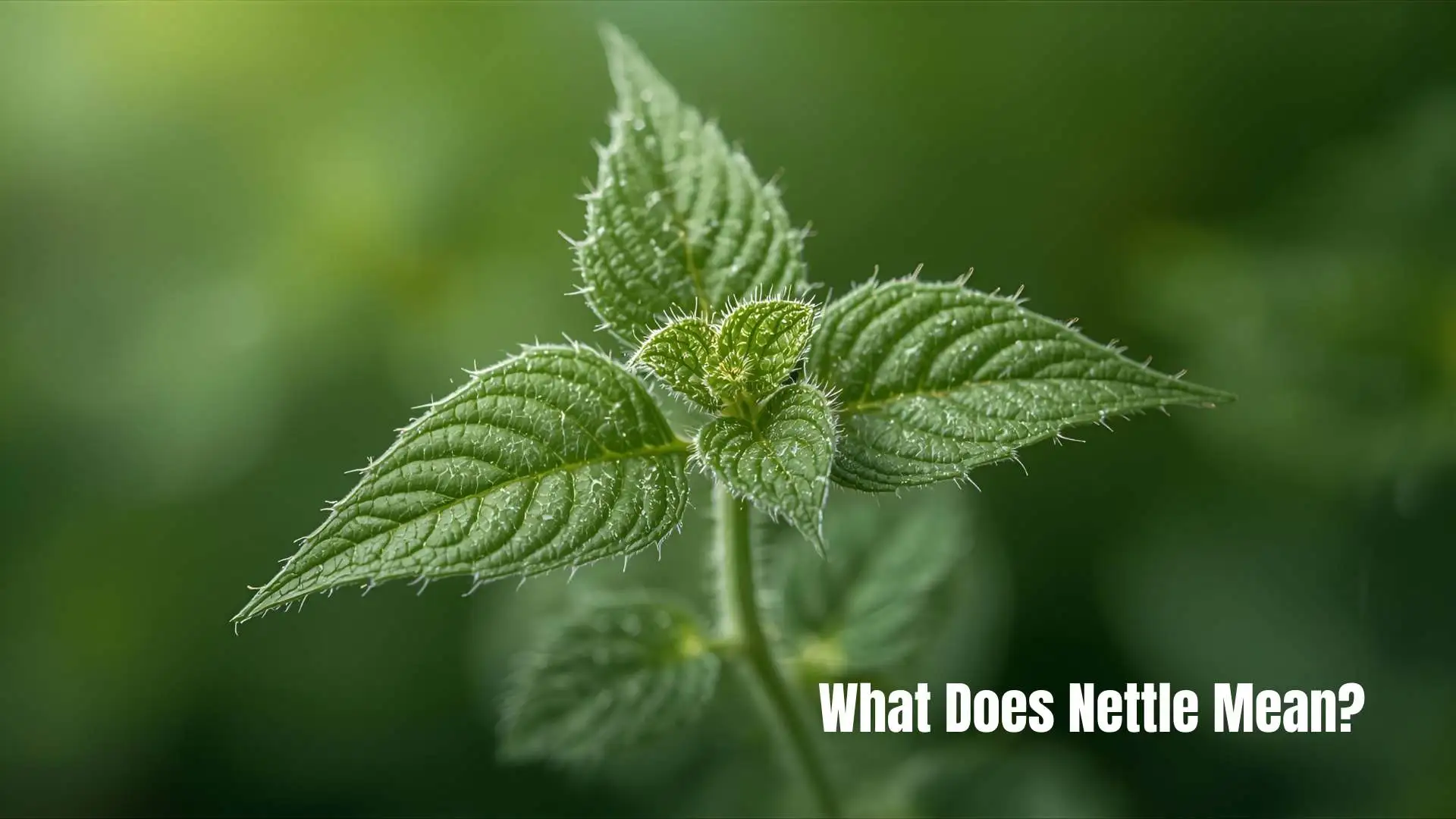
Have you ever been scrolling through TikTok, Snapchat, or your favorite chat app and stumbled upon the word “nettle” and thought, “Wait, what does that even mean?”
You’re not alone. At first glance, it seems like just another random word, but slang has a way of sneaking into everyday conversations.
If you’re curious, you’ve come to the right place. This article will break down the meaning of “nettle,” explain how to use it in texts, and give you real-life examples so you can text like a pro.
Quick Answer: Nettle means “to annoy or irritate someone.” It’s a casual and slightly playful way of saying someone is being bothersome.
What Does Nettle Mean in Text?
In texting, “nettle” is used to describe situations where someone is being slightly annoying or teasing you in a harmless way. Think of it as a friendly poke, rather than harsh criticism.
Example: A: Stop stealing my fries 😅 B: Sorry, didn’t mean to nettle you 😜
In short: Nettle = to annoy or irritate someone = a playful way to say someone is bothering you.
Where Is Nettle Commonly Used?
“Nettle” pops up in various social media and messaging platforms where casual conversations happen. Here’s where you might see it:
- 📱 Snapchat – quick jokes or teasing friends
- 🎵 TikTok captions or comments – light-hearted irritation
- 💬 Text messages – friends teasing or joking around
- 🎮 Gaming chats – when a teammate keeps messing with you
Tone: casual, playful, social-media–friendly. Avoid formal or professional contexts.
Examples of Nettle in Conversation
Here are some realistic chat scenarios showing how “nettle” is used:
A: you keep changing the playlist 😂 B: didn’t mean to nettle you 😅
A: why are you poking me again? B: just trying to nettle you a bit 😜
A: omg, stop texting me while I’m working 😭 B: haha, didn’t want to nettle u lol
A: you borrowed my charger without asking 😡 B: oops, didn’t mean to nettle you
A: why are you tagging me in every meme? B: just trying to nettle u 😎
When to Use and When Not to Use Nettle
✅ When to Use:
- Friendly teasing with close friends
- Playful or joking texts
- Casual online conversations
❌ When Not to Use:
- Formal emails or work chats
- Serious or sensitive situations
- When someone is genuinely upset
Comparison Table
| Context | Example Phrase | Why It Works |
| Friend Chat | “No rush, nettle a bit 😄” | Casual & friendly |
| Work Chat | “Take your time.” | Polite & professional |
| “Please take your time to review this.” | Formal & clear |
Similar Slang Words or Alternatives
| Slang | Meaning | When to Use |
| Tease | Lightly mock or annoy | Friends, casual texts |
| Bug | To irritate someone | Casual, playful |
| Pester | Keep bothering repeatedly | Friends or informal situations |
| Irritate | Slightly annoy | Casual conversation |
| Nudge | Gentle prod or prompt | Friendly reminders |
FAQs About Nettle
Q1: Is “nettle” formal or slang? A1: It’s definitely slang and best used in casual, friendly contexts.
Q2: Can “nettle” be used in professional emails? A2: No, stick to formal alternatives like “annoy” or “bother.”
Q3: Is it a negative word? A3: It can be mildly negative but is often playful or teasing.
Q4: Can I use “nettle” with someone I don’t know well? A4: It’s safer to reserve it for friends or people you have a casual rapport with.
Q5: Are there emojis that pair well with “nettle”? A5: Yes! 😅😂😜😎 all convey the playful tone.

Oliver Grant is a passionate American author known for crafting insightful and engaging content that inspires readers worldwide. With a strong background in creative writing and a deep interest in contemporary literature, Oliver has built a reputation for delivering thought-provoking narratives that resonate with a modern audience.
Throughout his career, Oliver has consistently blended intellectual depth with relatable storytelling, making complex ideas accessible to readers from all walks of life. His writing style is both elegant and approachable, allowing him to connect meaningfully with his audience.
When he’s not writing, Oliver enjoys exploring new ideas, reading across diverse genres, and mentoring aspiring writers. His dedication to the craft and his ability to present fresh perspectives have earned him a loyal following.
Oliver Grant is the author of several acclaimed books, including “The Creative Mindset,” “Stories That Connect,” and “The Modern Writer’s Journey.” Each of these works reflects his commitment to empowering readers and fellow writers through creativity and purposeful storytelling.