
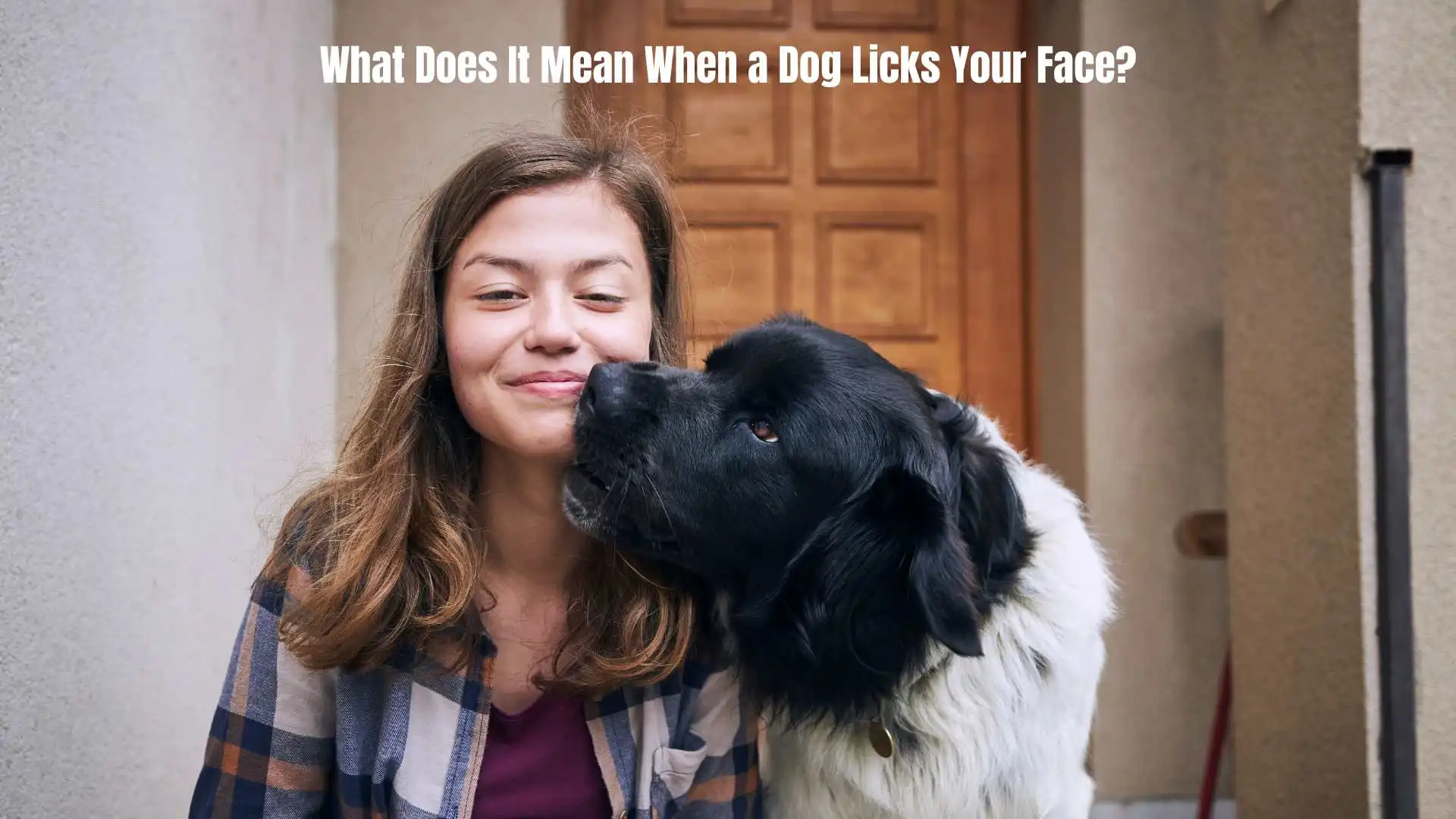
Waking up to a wet nose and a slobbery tongue on your cheek can feel sweet, confusing, or seriously uncomfortable.
One second you’re half asleep. The next second your dog is giving you what people love to call “dog kisses.” You might wonder if this means love, hunger, anxiety, or something else entirely.
So let’s break it down in a clear, honest, science-backed way.
This guide explains what it means when a dog licks your face, why dogs do it so often, when it’s safe, and when you should gently stop it.
Dog Licking Behavior and the Real Meaning Behind Face Licking
Dogs don’t shake hands. They don’t hug. Their mouths do most of their social talking. When your dog licks your face, it’s part of dog communication behavior that mixes instinct, emotion, learning, and even chemistry.
Here’s the truth:
Face licking is rarely about just one thing. It’s usually a blend of:
- Affection
- Appeasement behavior
- Attention-seeking behavior
- Sensory interest
- Habit and conditioning
Calling them “dog kisses” isn’t wrong. But it’s also not the full story.
From Wolves to Living Rooms | The Instinctual Roots
Modern dogs didn’t invent face licking. They inherited it.
In the wild, wolf pups lick the mouths of adult wolves to stimulate regurgitation of food. This behavior helped them survive. Over thousands of years, that same instinct stayed alive in domesticated dogs.
So today when your dog licks your face:
- Part of their brain still reads your face like a pack leader
- The behavior still carries submissive and survival meaning
- It also works as a social bonding signal
This is why even adult dogs continue face licking. It’s deeply wired into canine behavior.
Emotional Meanings Behind Face Licking
This is where things get personal.
Affection and Social Bonding
Many dogs lick your face because they honestly feel attached to you. The behavior releases endorphins, feel-good chemicals that reinforce emotional bonding. When dogs lick people they trust, their brain rewards them with calm and pleasure.
Signs affection-based licking include:
- Loose body posture
- Soft eyes
- Relaxed breathing
- Gentle tail movement
This is the purest form of dog licking affection.
Appeasement and “I Mean No Harm” Signals
Not all licking is about love. Some of it is about peace. Dogs use licking as non-threatening communication when they feel uncertain or submissive.
This type of licking often appears when:
- You lean over your dog
- You speak loudly
- A new person enters the room
- The dog feels unsure
It’s basically your dog saying, “I’m friendly. Please don’t be upset.”
This is known as appeasement behavior.
Emotional Synchronization When You’re Upset
Dogs are emotional mirrors. When you cry, your body releases stress-related scent chemicals through tears and breath. Your dog smells those shifts instantly.
That’s why dog licking when crying is so common.
Your dog may lick your face because:
- They detect emotional distress
- The scent triggers concern
- Licking calms their own nervous system
- They attempt social soothing
This is emotional synchronization at work.
Attention Seeking and Behavioral Conditioning
Here’s a simple truth that surprises many people.
Most dogs learn that licking works.
If you laugh, talk, touch, or react when your dog licks your face, the behavior strengthens. Over time, licking becomes a reliable tool for getting attention. This is classic attention-based learning.
Your dog may lick your face because:
- It reliably gets a response
- It interrupts what you’re doing
- It guarantees social interaction
That’s why dog licking for attention grows stronger over time if it’s accidentally rewarded.
Sensory Science | Taste, Smell and Salt
Your face is full of sensory jackpot signals.
Dogs experience the world primarily through scent and taste. Your skin contains:
- Sweat
- Salt
- Natural oils
- Food particles
- Bacteria
- Tears
- Morning breath
To a dog, your face smells like:
- Comfort
- Home
- Food
- Emotion
This explains dog licking because of sweat and salt, especially after workouts, naps, or outdoor time.
Soothing, Stress and Anxiety Driven Licking
Licking is a self-soothing action. The rhythm of licking releases calming brain chemicals. Some dogs use licking to regulate stress.
Watch for dog licking anxiety signs:
- Repetitive licking
- Pacing
- Whining
- Yawning
- Restlessness
In these cases, face licking isn’t about affection. It’s about emotional regulation.
This is known as dog stress calming behavior.
Hunger, Routine and Timing Triggers
Ever notice how your dog targets your face first thing in the morning? That’s no accident.
Dog licking face in the morning often connects to:
- Hunger
- Anticipation of breakfast
- Morning routine associations
- Pack greeting rituals
Dogs thrive on predictable schedules. Your face becomes the alarm bell.
Puppy vs Adult Dog Face Licking
Puppies lick more intensely than adult dogs. For them, licking serves many roles at once:
- Exploration
- Comfort
- Attention seeking
- Submission
- Teething relief
As they mature, most dogs reduce face licking naturally. But some carry the habit into adulthood if it keeps getting rewarded.
That’s why puppy licking behavior often turns into long-term habits without training guidance.
Is It Safe for Dogs to Lick Your Face?
Let’s talk about real medical facts. Not fear. Not myths.
Dog saliva contains hundreds of bacterial species. Most are harmless to healthy adults. But one rare bacterium called Capnocytophaga can cause serious infections in vulnerable people.
Higher risk groups include:
- People with weak immune systems
- Diabetics
- Infants
- Seniors
- Those with open facial wounds
Health risks linked to dog saliva bacteria can include:
- Eye infections
- Skin infections
- Rare blood infections
For healthy adults with intact skin, the risk remains low-risk exposure. But low risk does not mean zero risk.
What To Do After a Dog Licks Your Face
No panic needed. Just follow smart hygiene.
- Wash with warm water and mild soap
- Avoid eye rubbing
- Use antibacterial soap if the lick hits an open area
- Monitor for redness or swelling
- Seek medical advice if you feel sick within days
Most of the time, nothing bad happens. Basic hygiene is enough.
When Face Licking Becomes a Behavioral Problem
Not all licking is healthy.
Face licking becomes a problem when:
- It turns obsessive
- It ignores human boundaries
- It activates anxiety
- It overwhelms children
- It interrupts daily activities
This can indicate:
- Poor impulse control
- Overdependence
- Unresolved anxiety
- Lack of mental stimulation
How to Gently Discourage Face Licking
Yelling never works. It often makes licking worse.
Use these proven methods instead:
- Turn your face away
- Stay emotionally neutral
- Ask for an alternate behavior like “sit”
- Reward calm greetings
- Ignore excessive licking completely
This trains your dog that positive reinforcement licking is replaced with better behaviors.
Tools That Help Reduce Licking Behavior
Mental enrichment reduces attention-driven licking dramatically.
Helpful tools include:
- LickiMat
- Slow feeder bowls
- Puzzle toys
- Frozen food toys
These shift your dog’s licking energy away from people and onto appropriate outlets.
Why Dogs Lick When You Cry
Dogs detect:
- Stress scents in tears
- Changes in breathing
- Emotional body tension
They lick because:
- They sense distress
- Licking calms them
- It activates pack bonding behavior
- It restores emotional balance
This is not human-style sympathy. It’s biological caregiving response.
Why Dogs Lick Faces in the Morning
Morning licking happens because:
- Facial oils build overnight
- Hunger is strongest in the morning
- Your scent changed during sleep
- It’s a social greeting ritual
Morning licking is one of the most common behaviors reported by dog owners.
Why Dogs Lick Faces and Ears Specifically
Ears and faces produce higher concentrations of:
- Oils
- Sweat
- Scent markers
- Saline tears
That’s why dog licking ears is so common. To dogs, those areas carry the strongest emotional scent data.
Breed and Personality Differences
Not all dogs lick the same.
Breeds known for higher licking frequency:
- Labrador Retrievers
- Golden Retrievers
- Cavalier King Charles Spaniels
- German Shepherds
Independent breeds lick far less often.
Personality matters as much as genetics.
Reading Body Language During Face Licking
Watch the full body. Not just the tongue.
Affection-based licking shows:
- Loose posture
- Soft eyes
- Calm breathing
Anxiety-driven licking shows:
- Tense muscles
- Rapid breathing
- Pacing
- Stiff posture
Understanding this prevents misreading your dog’s emotions.
What Face Licking Says About Your Bond
Face licking can reflect:
- Trust
- Emotional dependence
- Social rank respect
- Pack attachment patterns
Dogs don’t lick just anyone. When they lick your face regularly, it often signals emotional closeness.
When You Must Stop Face Licking
Face licking should be stopped immediately if:
- You have open wounds
- You have immune suppression
- There are newborn babies
- There are known allergies
- Post-surgical recovery is happening
In these cases, the dog licking health risks outweigh the bonding benefits.
Expert Behavioral Perspective
Certified canine behavior consultants emphasize this:
Face licking is not dominance.
It is emotional communication mixed with learned behavior.
Trainers warn against extreme reactions because punishment can lead to:
- Fear biting
- Behavioral confusion
- Anxiety escalation
Myths vs Facts
| Myth | Fact |
| Dog mouths are cleaner than human mouths | False |
| Face licking means dominance | False |
| All face licking means love | False |
| Licking cures wounds | Dangerous myth |
Quick Meaning Chart
| Situation | Meaning |
| Crying | Emotional synchronization |
| Morning | Hunger + routine signaling |
| After play | Overstimulation release |
| Guest arrival | Social appeasement |
| Training time | Attention seeking |
FAQs
Why does my dog lick me so much all of a sudden?
Sudden licking usually links to stress, anxiety, new routines, or changes in reward patterns. Dogs increase behaviors that get responses.
Is it safe for dogs to lick your face every day?
For healthy adults with no open wounds, the risk stays low. Basic hygiene still matters daily.
Why do dogs lick faces and ears more than hands?
Faces and ears carry stronger scent, oils, and emotional markers that attract dogs’ sensory systems.
Does face licking mean my dog loves me?
Often yes but not always. It can also signal appeasement, attention-seeking, or anxiety relief.
Can face licking spread diseases?
In rare cases yes especially for immune-compromised people. Most healthy adults face minimal risk.
How do I stop my dog from licking my face without hurting its feelings?
Withdraw attention calmly, redirect to another behavior, and reward calm greetings consistently.
Conclusion
Face licking is one of the most misunderstood dog behaviors. It blends instinct, emotion, habit, scent, and learning into one simple action. Sometimes it means affection. Other times it signals stress or attention-seeking. Understanding the difference strengthens your bond and protects your health. When you read your dog’s full body language and respond calmly, you turn confusion into communication and chaos into clarity.

Oliver Grant is a passionate American author known for crafting insightful and engaging content that inspires readers worldwide. With a strong background in creative writing and a deep interest in contemporary literature, Oliver has built a reputation for delivering thought-provoking narratives that resonate with a modern audience.
Throughout his career, Oliver has consistently blended intellectual depth with relatable storytelling, making complex ideas accessible to readers from all walks of life. His writing style is both elegant and approachable, allowing him to connect meaningfully with his audience.
When he’s not writing, Oliver enjoys exploring new ideas, reading across diverse genres, and mentoring aspiring writers. His dedication to the craft and his ability to present fresh perspectives have earned him a loyal following.
Oliver Grant is the author of several acclaimed books, including “The Creative Mindset,” “Stories That Connect,” and “The Modern Writer’s Journey.” Each of these works reflects his commitment to empowering readers and fellow writers through creativity and purposeful storytelling.