
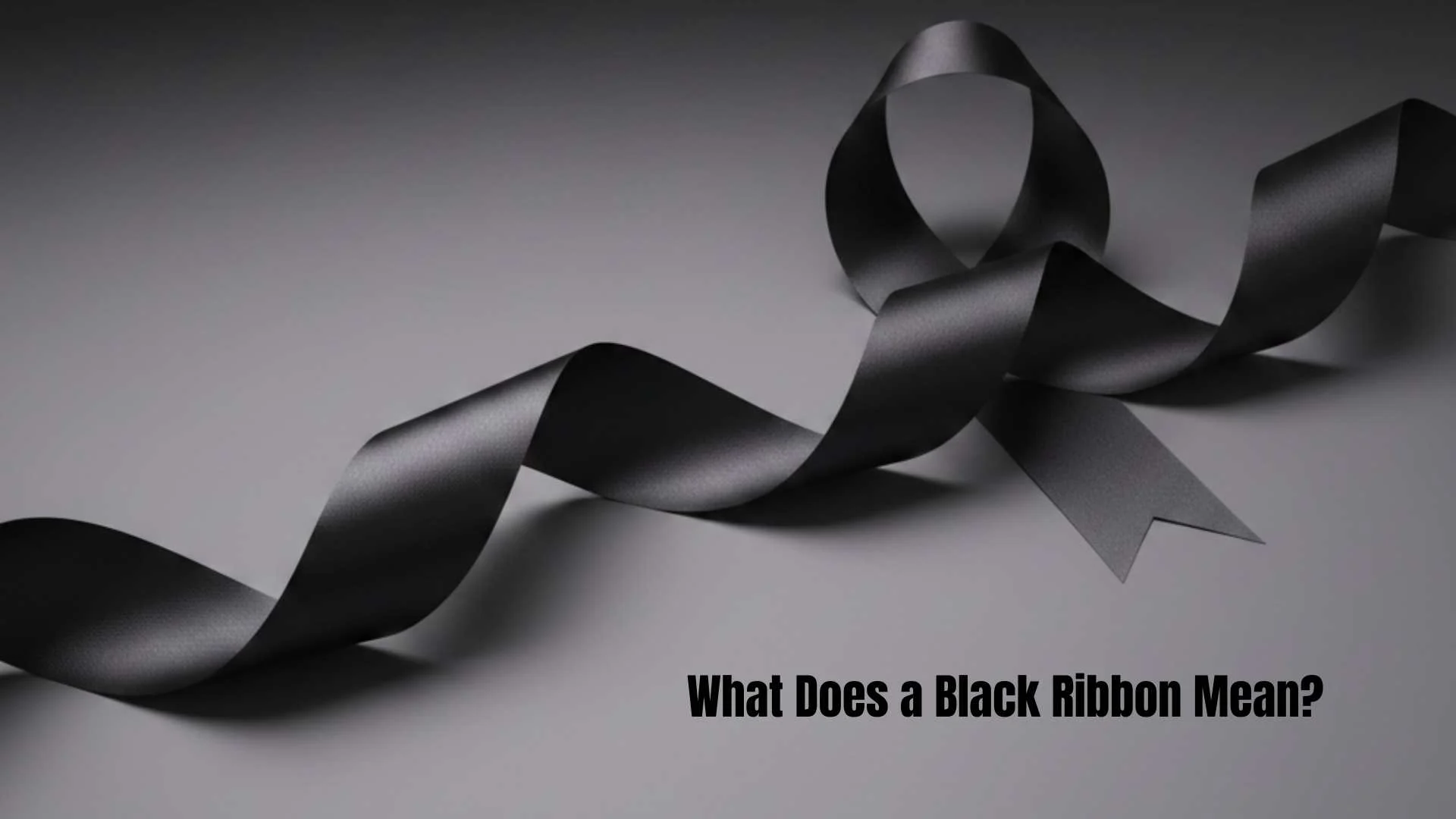
Seeing a black ribbon can evoke a mix of emotions.
Sometimes, it represents grief after a personal loss, other times it stands for solidarity in the wake of national tragedies or health awareness campaigns.
But what exactly does a black ribbon mean?
This article explores its history, symbolism, cultural significance, and modern uses to give you a complete understanding of this powerful symbol.
The Historical Origins of the Black Ribbon
The use of black to express sorrow and remembrance is not new. In ancient societies, mourning practices often involved wearing black garments. Over centuries, this evolved to include black ribbons, which offered a subtle yet meaningful way to display grief.
- Ancient and Medieval Mourning: Black clothing and sashes symbolized death and loss across Europe and the Middle East. In some cultures, tears and physical symbols like torn clothing were common ways to show sorrow.
- Modern History: In the 20th and 21st centuries, black ribbons gained recognition in memorials and public tragedies. For example:
- After Diana, Princess of Wales’ death (1997, UK), black ribbons appeared widely in public spaces.
- During the 9/11 attacks in the USA (2001), black ribbons were worn as a tribute to victims.
- The Malaysian Airlines tragedy (2014) saw global displays of black ribbons to honor those lost.
- After Diana, Princess of Wales’ death (1997, UK), black ribbons appeared widely in public spaces.
These examples show that the black ribbon has transcended personal mourning, becoming a universal symbol of grief, empathy, and remembrance.
Symbolic Meanings of a Black Ribbon
The black ribbon carries multiple layers of meaning, each depending on context and culture.
Grief and Mourning
At its core, the black ribbon is a symbol of mourning and sorrow. It is often worn at funerals, memorial events, or public tributes. Many cultures incorporate it into formal mourning rituals:
- Jewish Kriah: A traditional practice where mourners tear a piece of clothing to signify grief, sometimes accompanied by a black ribbon.
- Shiva Mourning: During the seven-day mourning period, wearing black or black ribbons helps express loss respectfully.
Quote: “Mourning is not a sign of weakness; it is a testament to the depth of our love and memories.”
Support and Solidarity
Beyond personal grief, black ribbons are a gesture of empathy. Communities use them to show support for victims of tragedies, crimes, or natural disasters. This visual solidarity helps unite people during challenging times.
- Examples include public gatherings after mass shootings, car accidents, or natural disasters.
- On social media, black ribbon images are shared to express collective sorrow and support.
Awareness for Health Issues
The black ribbon is also widely recognized as an awareness symbol for several health conditions, reminding people to educate themselves and support those affected.
Health conditions associated with black ribbons:
| Condition | Awareness Focus |
| Skin Cancer | Melanoma prevention and early detection |
| Carcinoid Syndrome | Rare cancer awareness |
| Sleep Disorders | Public understanding and research |
Wearing a black ribbon in these contexts signifies concern, advocacy, and encouragement for medical research and support programs.
Political and Social Statements
Black ribbons are sometimes used in political or social movements to honor victims of injustice or war. They offer a peaceful yet powerful statement without words.
- Historical Examples:
- Black ribbons in protests commemorating victims of political oppression.
- Memorials for journalists and activists killed in the line of duty.
- Black ribbons in protests commemorating victims of political oppression.
This usage underscores the versatility of the black ribbon as both a personal and collective symbol.
Fashion and Style Symbolism
While its primary use is symbolic, the black ribbon has also entered fashion. Designers incorporate it in:
- Jewelry (brooches, hair accessories)
- Clothing (sashes, belts, decorative trims)
- Accessories (bags, hats)
It’s essential, however, to distinguish between fashion use and symbolic intent to avoid insensitivity during mourning or awareness campaigns.
How and When to Wear a Black Ribbon
Understanding the etiquette of wearing black ribbons ensures respect in different cultural and social settings.
Do’s:
- Wear on the left lapel or upper arm during funerals or memorials.
- Combine with black attire for formal mourning.
- Use for awareness campaigns related to health or social causes.
Don’ts:
- Avoid wearing casually during celebrations or happy events.
- Don’t mix with bright colors that may dilute the symbolic meaning.
Tip: The placement of the ribbon can subtly convey your message—on clothing, jewelry, or even as part of a social media profile picture.
Comparison with Other Awareness Ribbons
While the black ribbon has unique significance, it is part of a broader ribbon awareness culture.
| Ribbon Color | Meaning / Cause |
| Red | HIV / AIDS awareness |
| Pink | Breast cancer awareness |
| Yellow | Support for troops / suicide prevention |
| Purple | Domestic violence / pancreatic cancer |
The black ribbon stands out for its versatility: grief, mourning, health awareness, political protest, and style.
Emotional and Social Impact
Black ribbons extend beyond symbolism; they have a psychological and social effect:
- Helps people process grief publicly.
- Encourages empathy and support among communities.
- Offers a sense of connection during national tragedies.
Fact: Studies show that visible symbols of mourning, like black ribbons, increase communal solidarity and provide emotional comfort to those grieving.
Buying and Crafting Black Ribbons
For memorials, awareness campaigns, or personal use, black ribbons are available in various types and styles:
Types of Black Ribbons:
- Satin: Smooth and elegant, often used in formal events.
- Grosgrain: Sturdy and practical, suitable for crafts.
- Premium/Wholesale Collections: Ideal for large-scale events or memorial services.
DIY Crafting Tips:
- Tie ribbons in loops or knots to create memorial displays.
- Attach ribbons to flowers, wreaths, or keepsakes.
- Personalize with names, dates, or messages for tribute decor.
FAQs About Black Ribbons
What does a black ribbon on social media mean?
It shows support or remembrance for someone who has passed or a tragic event.
Can black ribbons be used for celebrations?
No. They are traditionally associated with mourning, grief, awareness, and solidarity.
Difference between black ribbon and black armband?
A black armband is worn for continuous mourning, while a ribbon can be pinned or displayed temporarily.
Are black ribbons culturally universal?
Mostly yes, but exact traditions differ across cultures. Some societies prefer black clothing or other symbols instead of ribbons.
Conclusion
The black ribbon is a simple yet powerful symbol that conveys grief, support, awareness, political statements, and even fashion. Its versatility allows it to cross cultural, social, and personal boundaries while maintaining its respectful and meaningful intent. Whether you’re wearing it for a loved one, a health cause, or to honor a tragic event, the black ribbon communicates empathy, solidarity, and remembrance in a way words often cannot.

James Parker is a passionate and insightful American author known for his unique ability to connect complex ideas with everyday experiences. With a background in creative writing and over a decade of experience in the literary world, James has dedicated his career to inspiring readers through thoughtful storytelling and practical wisdom.
His writing style is modern, engaging, and deeply reflective, often focusing on personal growth, human relationships, and the subtle beauty of life’s challenges. James Parker’s work is highly respected for its authenticity and relevance, making him a favorite among readers seeking both knowledge and emotional connection.
Over the years, James has authored several impactful books, including “The Path Within”, “Finding Clarity”, and “Bridges of Thought”, which continue to resonate with audiences around the world.