
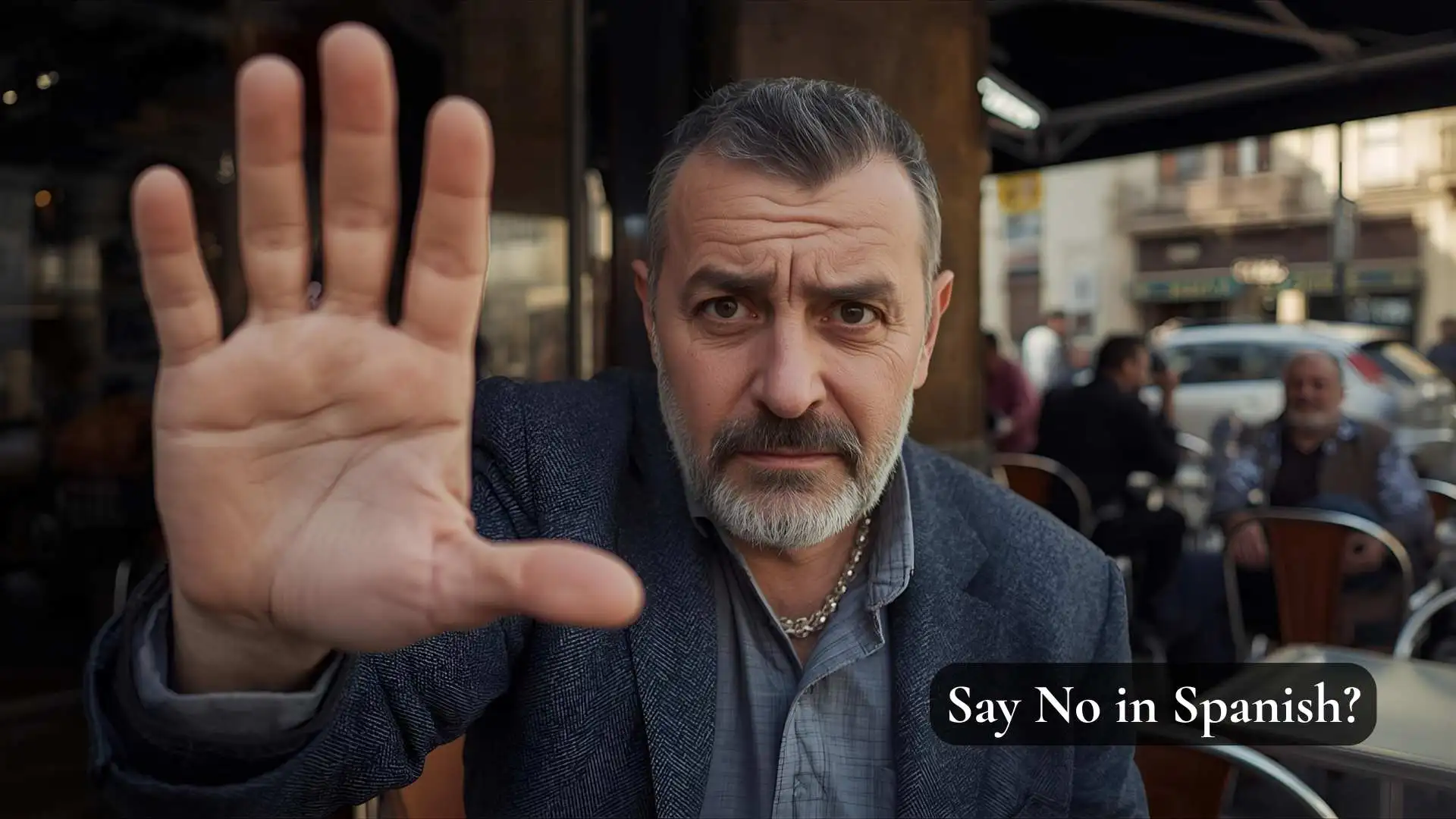
Learning a new language can feel exciting and a bit tricky at the same time. If you’ve ever wondered, “how to say no in Spanish?”, you’re in the right place! 😊
Saying “no” might seem simple, but in Spanish, there are different ways to express it depending on the situation, tone, and relationship with the person you’re speaking to.
In this guide, I’ll walk you through easy, practical phrases that you can use in daily conversations, give you pronunciation tips, and even share cultural insights so you sound natural.
By the end, you’ll be confident saying “no” like a native!
Simple and Direct “No”
The most straightforward way to say no in Spanish is… no! Just like in English, “no” works in almost any situation.
- Pronunciation: /noh/
- Example:
- No, gracias. – No, thank you.
- No, gracias. – No, thank you.
This is polite and universally understood. Add gracias (thank you) to make it sound softer.
Informal Ways to Say No
When chatting with friends or peers, you can use casual phrases that sound more relaxed:
- Ni lo sueñes! – Not even in your dreams! 😄
- De ninguna manera – No way!
- No puedo – I can’t.
Tip: Use these in informal settings; they may sound too blunt in professional situations.
Formal or Polite Refusals
In work or formal settings, it’s better to be polite and gentle:
- Lo siento, pero no puedo. – I’m sorry, but I can’t.
- Me temo que no. – I’m afraid not.
Pronunciation:
- Lo siento, pero no puedo – /loh syen-toh, peh-roh noh pweh-doh/
- Me temo que no – /meh teh-moh keh noh/
These expressions show respect while saying no.
Common Follow Up Phrases
After saying no, it’s polite to add a friendly comment:
- ¿Cómo estás? – How are you?
- ¡Hasta luego! – See you later!
- Gracias por entender. – Thanks for understanding.
Adding these keeps the conversation smooth and kind.
Mini Vocabulary List for Saying No
| Spanish Phrase | Pronunciation | Meaning |
| No | noh | No |
| No, gracias | noh grah-syahs | No, thank you |
| De ninguna manera | deh nee-goo-nah mah-neh-rah | No way |
| Lo siento, pero no puedo | lo syen-toh peh-roh noh pweh-doh | I’m sorry, but I can’t |
| Me temo que no | meh teh-moh keh noh | I’m afraid not |
| Ni lo sueñes | nee lo sweh-nes | Not even in your dreams! |
Cultural Note
Just like in English, tone matters in Spanish. A polite “no” is always appreciated, especially in formal or unfamiliar settings. 😇 Overly casual refusals might seem rude if used in business or with elders, so pay attention to the context!
Conclusion
Saying “no” in Spanish doesn’t have to be intimidating. Start with simple phrases, then try more casual or polite options depending on the situation. Practice out loud, listen to native speakers, and don’t be afraid to make mistakes — that’s part of learning! With a little confidence and these handy phrases, you’ll be saying “no” naturally in no time. Keep practicing, and soon it’ll feel like second nature! 💪

John Preston is a passionate American author known for his insightful storytelling and thought-provoking narratives. With a deep love for literature and a sharp eye for detail, John crafts stories that not only entertain but also inspire reflection and growth. His modern writing style, combined with relatable characters and real-life settings, has earned him a loyal readership across diverse audiences.
Dedicated to exploring human emotions, relationships, and societal challenges, John brings authenticity and depth to every page he writes. When he’s not working on his next manuscript, you can find him in his cozy office, surrounded by books, a warm cup of coffee by his side, and his laptop always within reach.
Some of his most notable works include:
The Silent Echoes
Chasing the Dawn
Beneath the City Lights
Through his writing, John Preston continues to leave a lasting impact, one story at a time.