
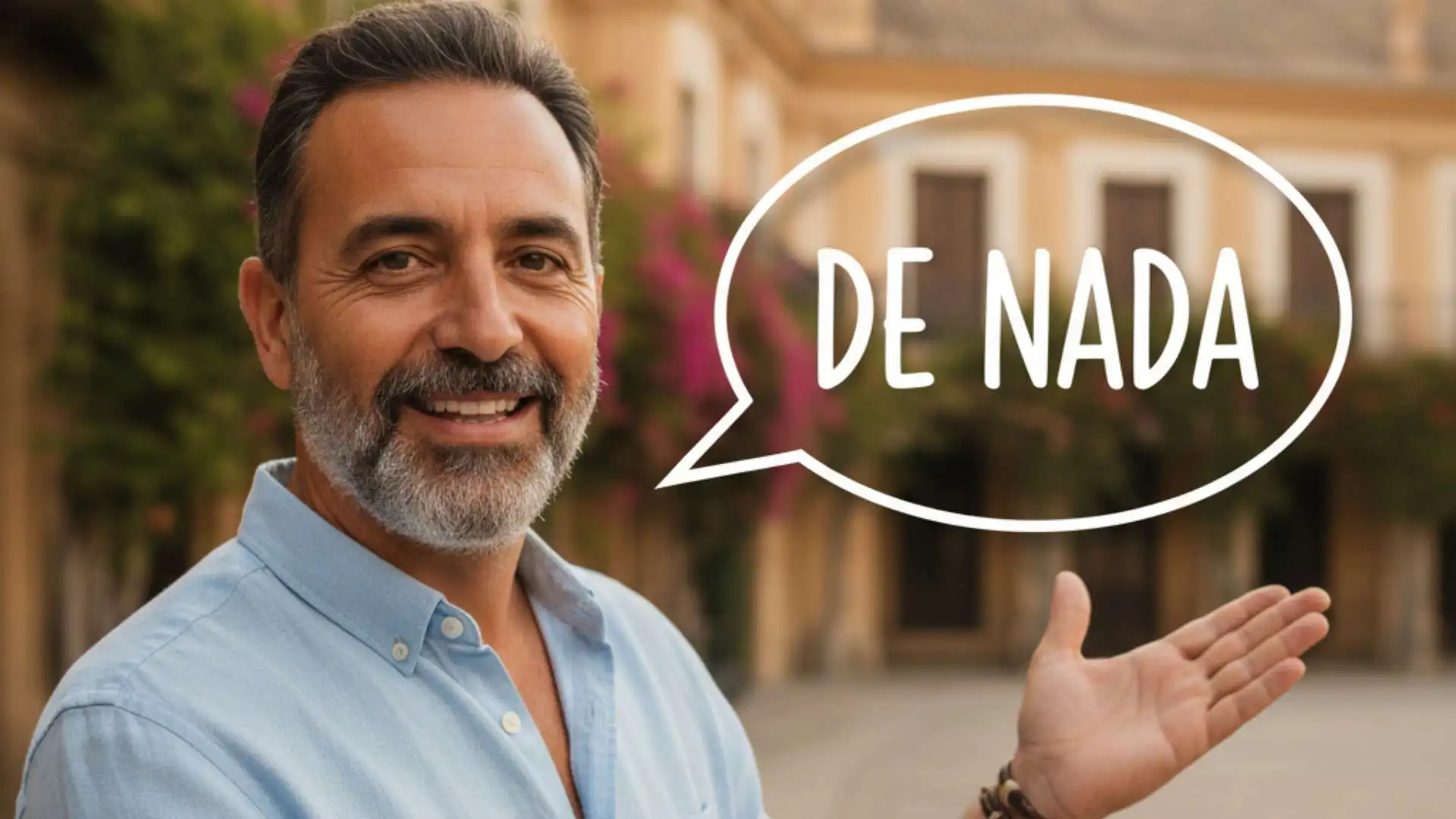
Have you ever wondered how to respond politely when someone thanks you in Spanish? 🌟
Whether you’re traveling in Spain, chatting with a friend from Mexico, or practicing your Spanish at home, knowing how to say “you’re welcome” can make your conversations smoother and more natural.
In this guide, we’ll explore not just the most common ways to say “you’re welcome” in Spanish, but also when to use them, how to pronounce them correctly, and even some cultural tips that will make you sound like a local.
By the end, you’ll feel confident responding politely in any situation!
The Most Common Way | “De nada”
The phrase “de nada” is the go-to response in most situations. It literally means “it’s nothing,” similar to how English speakers casually say “no problem.”
- Pronunciation: deh NAH-dah
- Example:
- Person A: Gracias por tu ayuda. (Thanks for your help.)
- Person B: De nada. (You’re welcome.)
- Person A: Gracias por tu ayuda. (Thanks for your help.)
Tip: Use de nada in informal and formal settings—it’s versatile!
A Slightly More Polite Option | “No hay de qué”
If you want to sound a little more courteous or formal, “no hay de qué” is perfect. It literally translates to “there’s nothing to thank me for.”
- Pronunciation: noh eye deh keh
- Example:
- Person A: Gracias por acompañarme. (Thanks for accompanying me.)
- Person B: No hay de qué. (You’re welcome.)
- Person A: Gracias por acompañarme. (Thanks for accompanying me.)
Cultural note: This phrase is common in Spain and works well in professional or polite conversations.
Casual and Friendly Responses
Just like in English, Spanish also has relaxed, friendly ways to say “you’re welcome” when talking to friends:
- “Por nada” – Pronunciation: por NAH-dah (similar to “don’t mention it”)
- “Con gusto” – Pronunciation: con GOOS-toh (literally “with pleasure”)
- “A la orden” – Pronunciation: ah lah or-DEN (used mainly in Latin America, like “at your service”)
Tip: These phrases make your response sound warm and approachable.
Fun Mini Vocabulary Table
| Spanish Phrase | Pronunciation | Meaning | When to Use |
| De nada | deh NAH-dah | You’re welcome | Any situation |
| No hay de qué | noh eye deh keh | You’re welcome | Formal or polite settings |
| Por nada | por NAH-dah | Don’t mention it | Casual conversations |
| Con gusto | con GOOS-toh | With pleasure | Friendly/formal |
| A la orden | ah lah or-DEN | At your service | Latin America, polite |
Common Follow Up Phrases
After saying “you’re welcome,” it’s natural to continue the conversation. Here are a few common phrases you might hear or want to say:
- ¿Cómo estás? – How are you?
- ¡Hasta luego! – See you later!
- Que tengas un buen día – Have a good day!
Pro tip: Pairing your “you’re welcome” with a friendly follow-up keeps the conversation smooth and engaging. 😄
Cultural Insights
Spanish speakers often appreciate politeness and warmth. Even though “de nada” is simple, adding “con gusto” or a smile makes you sound extra considerate. In Latin American countries, “a la orden” is very common in customer service or casual encounters—it shows attentiveness and friendliness.
Conclusion
Learning to say “you’re welcome” in Spanish is easier than it seems! Start with de nada, sprinkle in no hay de qué for formal situations, and try con gusto or a la orden with friends. Practice these phrases in real conversations, listen carefully to native speakers, and don’t be afraid to experiment. The more you use them, the more natural they’ll feel—and soon, you’ll respond politely in any Spanish-speaking setting without hesitation! 🌟

Oliver Grant is a passionate American author known for crafting insightful and engaging content that inspires readers worldwide. With a strong background in creative writing and a deep interest in contemporary literature, Oliver has built a reputation for delivering thought-provoking narratives that resonate with a modern audience.
Throughout his career, Oliver has consistently blended intellectual depth with relatable storytelling, making complex ideas accessible to readers from all walks of life. His writing style is both elegant and approachable, allowing him to connect meaningfully with his audience.
When he’s not writing, Oliver enjoys exploring new ideas, reading across diverse genres, and mentoring aspiring writers. His dedication to the craft and his ability to present fresh perspectives have earned him a loyal following.
Oliver Grant is the author of several acclaimed books, including “The Creative Mindset,” “Stories That Connect,” and “The Modern Writer’s Journey.” Each of these works reflects his commitment to empowering readers and fellow writers through creativity and purposeful storytelling.