
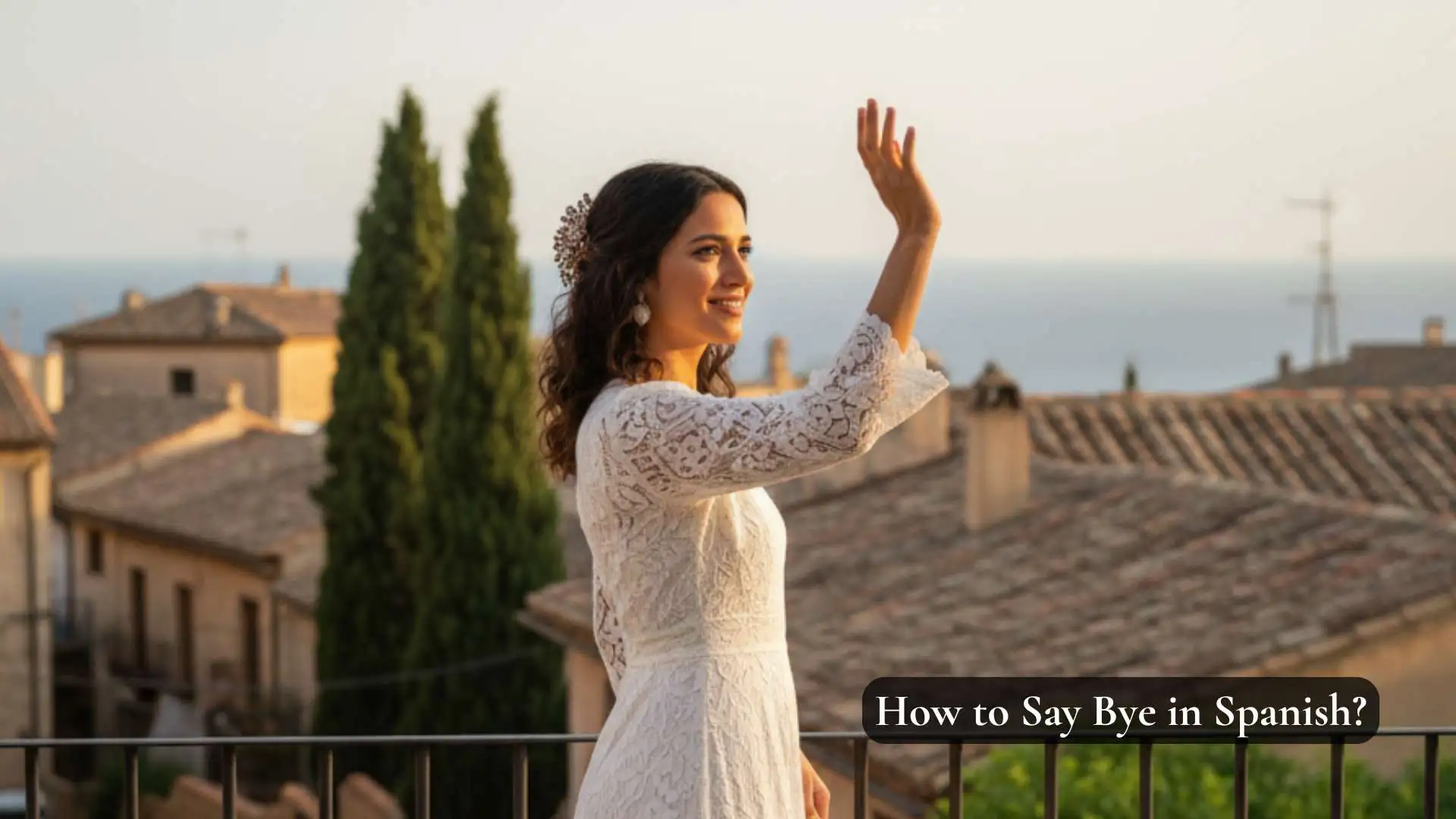
Saying goodbye is more than just a word—it’s a way to show respect, warmth, or friendship.
If you’ve ever wondered how to say bye in Spanish?, you’re in the right place!
Whether you’re traveling to Spain, chatting with Spanish-speaking friends, or learning the language for fun, this guide will give you all the phrases, pronunciation tips, and cultural insights you need.
By the end, you’ll know exactly what to say in formal, casual, or playful situations—and maybe even surprise a local with your fluent farewells.
Let’s dive in and make goodbyes in Spanish fun and memorable! 🌟
Common Ways to Say Bye in Spanish
Adiós | The Classic Goodbye
Pronunciation: ah-dee-ohs
This is the most common way to say goodbye in Spanish. It works in almost any situation, formal or informal. Just like in English, it’s straightforward and polite.
Example:
- Adiós, nos vemos mañana. (Goodbye, see you tomorrow.)
Hasta Luego | See You Later
Pronunciation: ahs-tah loo-eh-goh
Literally means “until later.” Use this with friends or colleagues when you expect to meet again soon.
Example:
- ¡Hasta luego! Cuídate. (See you later! Take care.)
Hasta Pronto | See You Soon
Pronunciation: ahs-tah prohn-toh
This one is perfect for situations where you’ll meet someone relatively soon, like a friend or family member.
Example:
- Gracias por venir. ¡Hasta pronto! (Thanks for coming. See you soon!)
Chao | Casual and Fun
Pronunciation: chow
Similar to “bye” in English, this is casual, playful, and often used among friends or young people. It’s borrowed from Italian, so you might hear it in Latin America.
Example:
- Chao, nos hablamos mañana. (Bye, we’ll talk tomorrow.)
Nos Vemos | See You
Pronunciation: nohs veh-mohs
Literally “we’ll see each other,” this is informal and friendly. Great for text messages or casual conversation.
Example:
- ¡Nos vemos en la fiesta! (See you at the party!)
Formal vs Informal Goodbyes
In Spanish, it’s important to consider who you’re talking to:
- Formal situations: Use adiós, hasta luego, or hasta pronto with colleagues, elders, or people you respect.
- Informal situations: Chao, nos vemos, or even just waving with a smile works perfectly with friends and family.
Cultural Note 🌎
In Spanish-speaking countries, a goodbye is often accompanied by a hug, a kiss on the cheek (depending on the country), or a simple handshake. This small gesture adds warmth and shows politeness—just like saying “take care” in English.
Common Follow Up Phrases
When saying goodbye, you might also want to add:
- ¿Cómo estás? (How are you?)
- Que tengas un buen día. (Have a good day.)
- Cuídate. (Take care.)
- Hasta mañana. (See you tomorrow.)
Adding these phrases makes your farewell feel more personal and friendly.
Mini Vocabulary Table
| Spanish Phrase | Pronunciation | Meaning | When to Use |
| Adiós | ah-dee-ohs | Goodbye | Formal or informal |
| Hasta luego | ahs-tah loo-eh-goh | See you later | Casual, friends, colleagues |
| Hasta pronto | ahs-tah prohn-toh | See you soon | Friends or family |
| Chao | chow | Bye | Informal, casual |
| Nos vemos | nohs veh-mohs | See you | Informal, friendly |
Conclusion
Saying goodbye in Spanish can be as simple or as warm as you like. 🌟 Practice these phrases daily, mix formal and informal options, and pay attention to the cultural gestures. Soon, you’ll feel confident saying farewell like a local. Remember, every adiós or chao you use is a step closer to sounding natural in Spanish. Keep practicing and enjoy connecting with people in this beautiful language! 💬

John Preston is a passionate American author known for his insightful storytelling and thought-provoking narratives. With a deep love for literature and a sharp eye for detail, John crafts stories that not only entertain but also inspire reflection and growth. His modern writing style, combined with relatable characters and real-life settings, has earned him a loyal readership across diverse audiences.
Dedicated to exploring human emotions, relationships, and societal challenges, John brings authenticity and depth to every page he writes. When he’s not working on his next manuscript, you can find him in his cozy office, surrounded by books, a warm cup of coffee by his side, and his laptop always within reach.
Some of his most notable works include:
The Silent Echoes
Chasing the Dawn
Beneath the City Lights
Through his writing, John Preston continues to leave a lasting impact, one story at a time.