
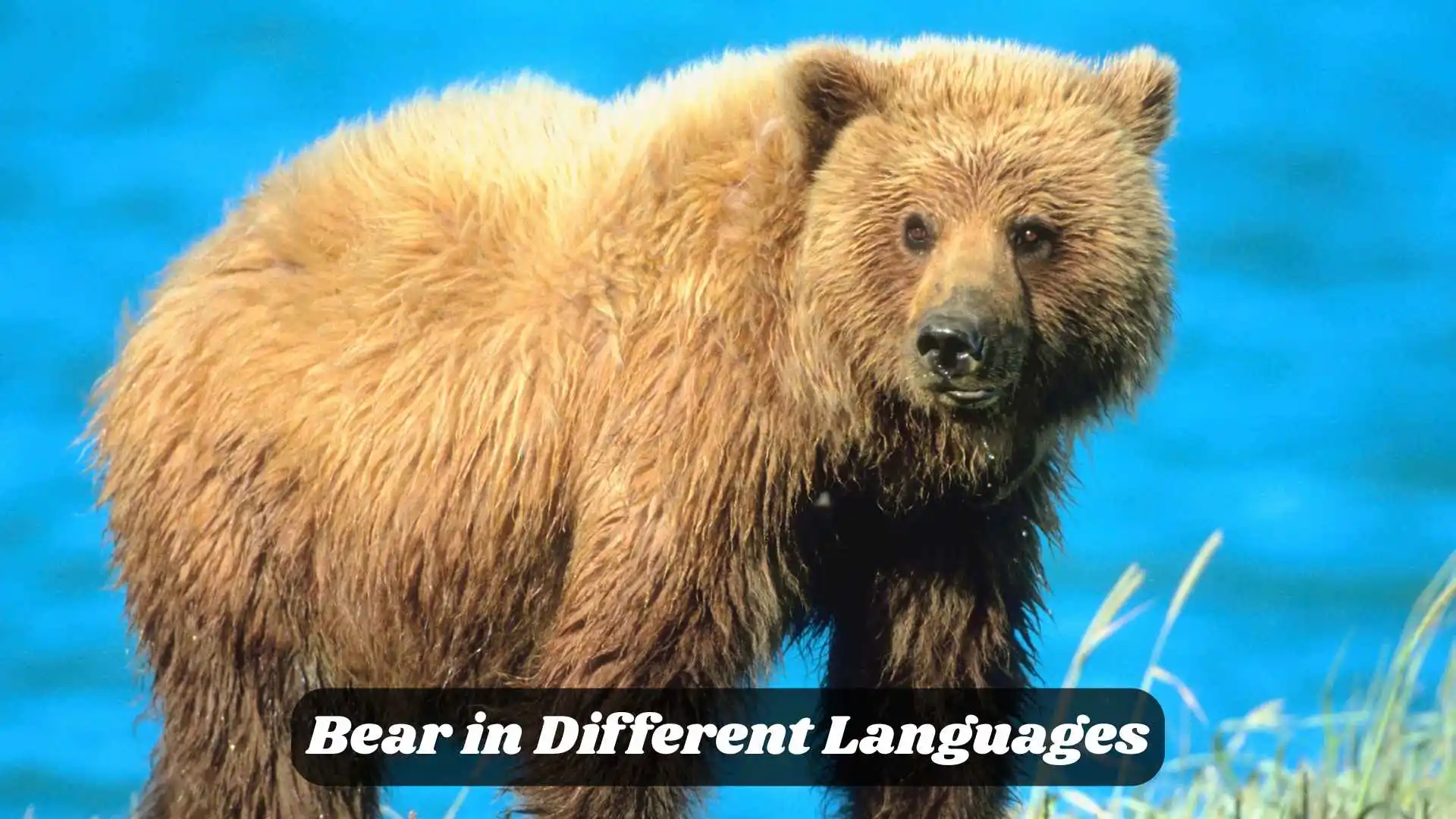
Imagine you’re searching for something simple yet meaningful—like finding out how to say bear in different languages.
You didn’t just land here by chance; this article was written with you in mind.
Whether you’re a student, traveler, language lover, or just curious, this guide will give you exactly what you’re looking for—clear, interesting, and easy-to-understand answers.
Think of it as a friendly conversation, where every detail is shared to make your learning enjoyable and personal.
By the time you finish, you won’t just have information—you’ll feel like this article was made just for you.
How to Say Bear in 70 Different Languages
- English (🇺🇸) – Bear | Pronunciation: behr
Example: The bear is strong and powerful. - Spanish (🇪🇸) – Oso | Pronunciation: oh-soh
Example: El oso vive en el bosque. (The bear lives in the forest.) - French (🇫🇷) – Ours | Pronunciation: oors
Example: L’ours est grand. (The bear is big.) - German (🇩🇪) – Bär | Pronunciation: bare
Example: Der Bär schläft. (The bear is sleeping.) - Italian (🇮🇹) – Orso | Pronunciation: or-so
Example: L’orso è marrone. (The bear is brown.) - Portuguese (🇵🇹) – Urso | Pronunciation: oor-soo
Example: O urso vive na montanha. (The bear lives in the mountain.) - Russian (🇷🇺) – Медведь (Medved’) | Pronunciation: myed-vyed
Example: Медведь живет в лесу. (The bear lives in the forest.) - Chinese (Mandarin) (🇨🇳) – 熊 (Xióng) | Pronunciation: shyong
Example: 这只熊很大。 (This bear is big.) - Japanese (🇯🇵) – 熊 (Kuma) | Pronunciation: koo-mah
Example: 熊は森にいます。 (The bear is in the forest.) - Korean (🇰🇷) – 곰 (Gom) | Pronunciation: gom
Example: 곰은 강하다. (The bear is strong.) - Arabic (🇸🇦) – دب (Dubb) | Pronunciation: doob
Example: الدب يعيش في الغابة. (The bear lives in the forest.) - Hindi (🇮🇳) – भालू (Bhalu) | Pronunciation: bha-loo
Example: जंगल में भालू है। (There is a bear in the forest.) - Urdu (🇵🇰) – بھالو (Bhaloo) | Pronunciation: bha-loo
Example: جنگل میں بھالو ہے۔ (There is a bear in the jungle.) - Turkish (🇹🇷) – Ayı | Pronunciation: ah-yuh
Example: Ayı ormanda yaşıyor. (The bear lives in the forest.) - Greek (🇬🇷) – Αρκούδα (Arkoúda) | Pronunciation: ar-koo-dah
Example: Η αρκούδα είναι μεγάλη. (The bear is big.) - Dutch (🇳🇱) – Beer | Pronunciation: bair
Example: De beer slaapt. (The bear is sleeping.) - Polish (🇵🇱) – Niedźwiedź | Pronunciation: nyej-vyejch
Example: Niedźwiedź mieszka w lesie. (The bear lives in the forest.) - Swedish (🇸🇪) – Björn | Pronunciation: byorn
Example: En björn är i skogen. (A bear is in the forest.) - Finnish (🇫🇮) – Karhu | Pronunciation: kar-hoo
Example: Karhu nukkuu. (The bear is sleeping.) - Hungarian (🇭🇺) – Medve | Pronunciation: med-veh
Example: Az medve erős. (The bear is strong.) - Czech (🇨🇿) – Medvěd | Pronunciation: med-vyed
Example: Medvěd žije v lese. (The bear lives in the forest.) - Romanian (🇷🇴) – Urs | Pronunciation: oors
Example: Un urs mare trăiește aici. (A big bear lives here.) - Hebrew (🇮🇱) – דוב (Dov) | Pronunciation: dohv
Example: הדוב ישן. (The bear is sleeping.) - Thai (🇹🇭) – หมี (Mii) | Pronunciation: mee
Example: หมีอยู่ในป่า. (The bear is in the forest.) - Vietnamese (🇻🇳) – Gấu | Pronunciation: gow
Example: Con gấu sống trong rừng. (The bear lives in the forest.) - Swahili (🇰🇪) – Dubu | Pronunciation: doo-boo
Example: Dubu yuko msituni. (The bear is in the forest.) - Zulu (🇿🇦) – Ibhere | Pronunciation: ee-bheh-reh
Example: Ibhere likhulu. (The bear is big.) - Afrikaans (🇿🇦) – Beer | Pronunciation: bair
Example: Die beer slaap. (The bear is sleeping.) - Malay (🇲🇾) – Beruang | Pronunciation: beh-roo-ahng
Example: Beruang tinggal di hutan. (The bear lives in the forest.) - Indonesian (🇮🇩) – Beruang | Pronunciation: beh-roo-ahng
Example: Beruang itu besar. (The bear is big.) - Filipino/Tagalog (🇵🇭) – Oso | Pronunciation: oh-soh
Example: Ang oso ay nasa gubat. (The bear is in the forest.) - Bengali (🇧🇩) – ভাল্লুক (Bhalluk) | Pronunciation: bhal-look
Example: বনে ভাল্লুক আছে। (There is a bear in the forest.) - Punjabi (🇮🇳) – ਭਾਲੂ (Bhalu) | Pronunciation: bha-loo
Example: ਜੰਗਲ ਵਿੱਚ ਭਾਲੂ ਹੈ। (There is a bear in the forest.) - Tamil (🇮🇳) – கரடி (Karadi) | Pronunciation: ka-ra-dee
Example: காட்டில் கரடி இருக்கிறது. (There is a bear in the forest.) - Telugu (🇮🇳) – ఎలుగుబంటి (Elugubanti) | Pronunciation: elu-gu-bun-tee
Example: అడవిలో ఎలుగుబంటి ఉంది. (There is a bear in the forest.) - Kannada (🇮🇳) – ಕರಡಿ (Karadi) | Pronunciation: ka-ra-dee
Example: ಕಾಡಿನಲ್ಲಿ ಕರಡಿ ಇದೆ. (There is a bear in the forest.) - Gujarati (🇮🇳) – રીંછ (Rīn̄chh) | Pronunciation: reenchh
Example: જંગલમાં રીંછ છે. (There is a bear in the forest.) - Marathi (🇮🇳) – अस्वल (Asval) | Pronunciation: as-vul
Example: जंगलात अस्वल आहे. (There is a bear in the forest.) - Persian/Farsi (🇮🇷) – خرس (Khers) | Pronunciation: khers
Example: خرس در جنگل است. (The bear is in the forest.) - Pashto (🇦🇫) – خرس (Khers) | Pronunciation: khers
Example: په ځنګل کې خرس دی. (There is a bear in the forest.) - Dari (🇦🇫) – خرس (Khers) | Pronunciation: khers
Example: خرس در کوه است. (The bear is in the mountain.) - Kurdish (🇮🇶) – Hers | Pronunciation: hersh
Example: Hers li daristane ye. (The bear is in the forest.) - Serbian (🇷🇸) – Медвед (Medved) | Pronunciation: med-ved
Example: Медвед спава. (The bear is sleeping.) - Croatian (🇭🇷) – Medvjed | Pronunciation: med-vyed
Example: Medvjed je velik. (The bear is big.) - Bosnian (🇧🇦) – Medvjed | Pronunciation: med-vyed
Example: Medvjed živi u šumi. (The bear lives in the forest.) - Slovak (🇸🇰) – Medveď | Pronunciation: med-vyed
Example: Medveď spí. (The bear is sleeping.) - Slovenian (🇸🇮) – Medved | Pronunciation: med-ved
Example: Medved je v gozdu. (The bear is in the forest.) - Bulgarian (🇧🇬) – Мечка (Mechka) | Pronunciation: mech-ka
Example: Мечка живее в гората. (The bear lives in the forest.) - Ukrainian (🇺🇦) – Ведмідь (Vedmid’) | Pronunciation: ved-meed
Example: Ведмідь у лісі. (The bear is in the forest.) - Belarusian (🇧🇾) – Мядзведзь (Myadzvedz’) | Pronunciation: myad-zhvyedz
Example: Мядзведзь жыве ў лесе. (The bear lives in the forest.) - Mongolian (🇲🇳) – Баавгай (Baavgai) | Pronunciation: baa-v-guy
Example: Баавгай том байна. (The bear is big.) - Nepali (🇳🇵) – भालु (Bhalu) | Pronunciation: bha-loo
Example: जंगलमा भालु छ। (There is a bear in the forest.) - Sinhala (🇱🇰) – වළලු (Walalu) / ඌරස් (Uras) | Pronunciation: wa-la-loo
Example: වළලු කාදේ සිටී. (The bear is in the forest.) - Amharic (🇪🇹) – ድብ (Dib) | Pronunciation: dib
Example: ድብ በዱር ውስጥ ነው. (The bear is in the forest.) - Yoruba (🇳🇬) – Ẹranko Arìnrìnàjò (general for bear) | Pronunciation: eh-ran-ko
Example: Ẹranko arìnrìnàjò ni igbo. (The bear is in the forest.) - Igbo (🇳🇬) – Ọzùm (Ozùm – regional word) | Pronunciation: oh-zoom
Example: Ọzùm nọ n’ọhịa. (The bear is in the forest.) - Hausa (🇳🇬) – Bera mai girma (big bear) | Pronunciation: beh-rah
Example: Bera yana cikin daji. (The bear is in the forest.) - Somali (🇸🇴) – Dubbaha | Pronunciation: doob-ba-ha
Example: Dubbaha wuxuu ku jiraa kaynta. (The bear is in the forest.) - Khmer (🇰🇭) – ខ្លាឃ្មុំ (Khla Khmum) | Pronunciation: khla khmum
Example: ខ្លាឃ្មុំ នៅក្នុងព្រៃ។ (The bear is in the forest.) - Lao (🇱🇦) – ຫມີ (Mee) | Pronunciation: mee
Example: ຫມີຢູ່ໃນປ່າ. (The bear is in the forest.) - Georgian (🇬🇪) – დათვი (Datvi) | Pronunciation: dat-vee
Example: დათვი დიდია. (The bear is big.) - Armenian (🇦🇲) – Արջ (Arj) | Pronunciation: arj
Example: Արջը անտառում է։ (The bear is in the forest.) - Maltese (🇲🇹) – Ursu | Pronunciation: oor-soo
Example: L-ursu jgħix fil-foresta. (The bear lives in the forest.) - Irish (🇮🇪) – Béar | Pronunciation: bair
Example: Tá an béar sa choill. (The bear is in the forest.) - Welsh (🇬🇧) – Arth | Pronunciation: arth
Example: Mae’r arth yn y goedwig. (The bear is in the forest.) - Scottish Gaelic (🇬🇧) – Mathan | Pronunciation: ma-han
Example: Tha am mathan anns a’ choille. (The bear is in the forest.)
Conclusion
No matter where you go in the world, the word “bear” always carries strength and respect.

James Parker is a passionate and insightful American author known for his unique ability to connect complex ideas with everyday experiences. With a background in creative writing and over a decade of experience in the literary world, James has dedicated his career to inspiring readers through thoughtful storytelling and practical wisdom.
His writing style is modern, engaging, and deeply reflective, often focusing on personal growth, human relationships, and the subtle beauty of life’s challenges. James Parker’s work is highly respected for its authenticity and relevance, making him a favorite among readers seeking both knowledge and emotional connection.
Over the years, James has authored several impactful books, including “The Path Within”, “Finding Clarity”, and “Bridges of Thought”, which continue to resonate with audiences around the world.